Journal · Bukit Ho Swee · Mei
The Market Step That Slowed Me
14 May 2026 · about 10.20am · Bukit Ho Swee wet market
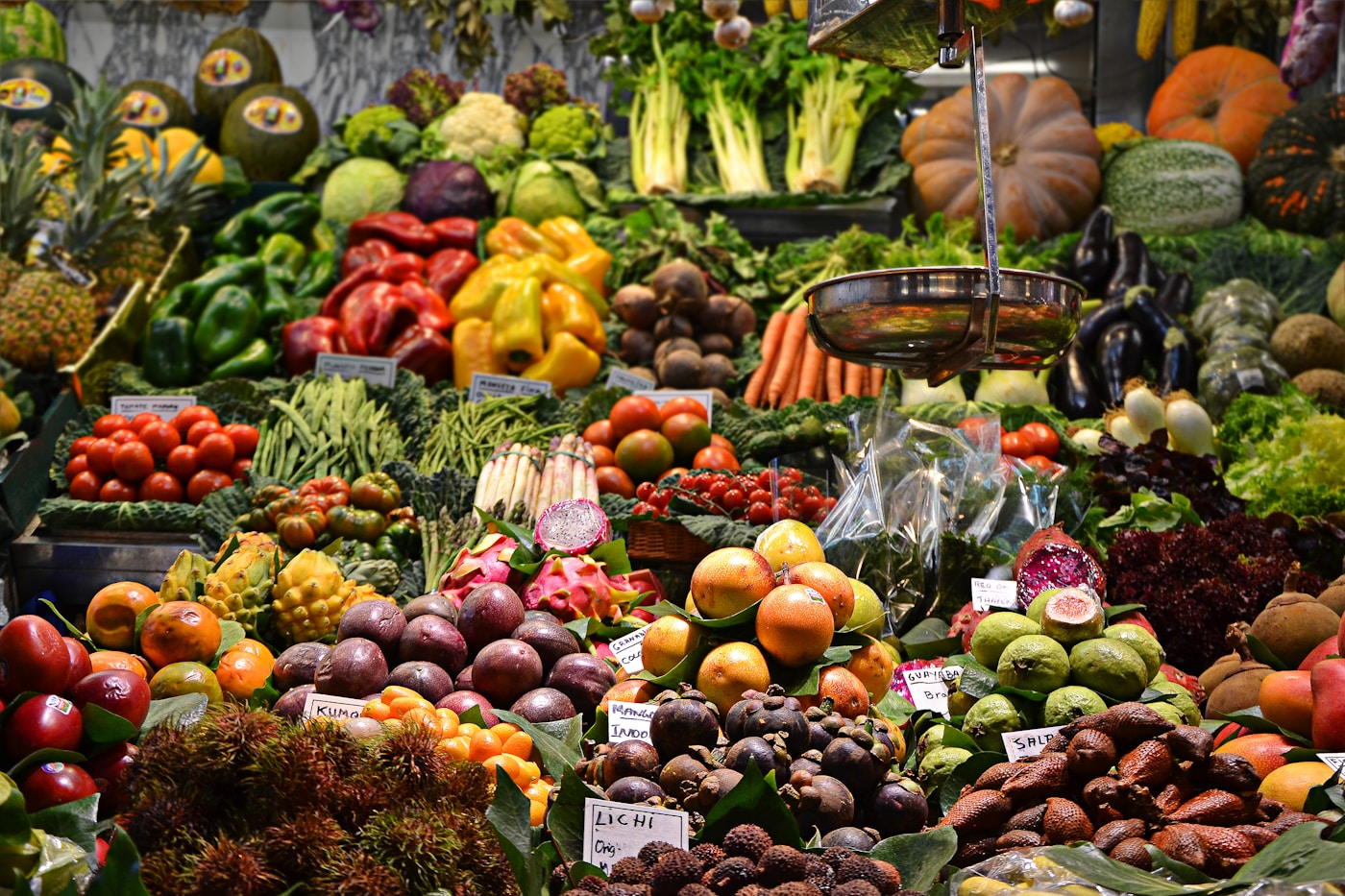
I had my list folded in my pocket and my mind already on the chicken stall three rows ahead.
The Bukit Ho Swee wet market is not a place for drifting. It runs on forward motion — trolleys angled tight, elbows negotiating space, vendors calling prices over the hum of fans and the occasional sharp slap of a cleaver on a block. I come here twice a week, always mid-morning after the first crush has thinned. By then the floor is wet but manageable, and you can actually see the greens without someone's shoulder in your sightline.
That day I was moving at my usual pace, which is neither fast nor slow, just the speed of someone who knows where the fish auntie keeps her ice and which vegetable stall still has the chye sim with the smaller stems. My eyes scanned automatically: red of chilli, white of tofu, the dull gleam of stainless steel tables. Sound layered around me — Cantonese numbers, Malay greetings, the clink of coins into plastic drawers, a radio playing something old I could not name. Markets speak in overlapping voices. You learn to hear what you need and let the rest pass through.
Then my foot checked mid-step. Not because I tripped. Because ahead of me, at the base of the short staircase near the dry goods section, an auntie had stopped with two heavy bags and a third hooked over her wrist. One handle had slipped. Oranges had rolled toward the drain. She made a small sound — more breath than word — and bent with the careful stiffness of someone whose knees remember every year.
A man I did not recognise — young, in a delivery polo I did not read — set down his own single bag and crouched without announcement. He righted the oranges. He lifted the heaviest bag to the step above. He did not speak much; I caught only a short exchange in Hokkien, her thanking, him waving it off with his chin. The whole thing took less than a minute. By the time I reached the stairs they were already moving again, she ahead, him turning back toward the vegetable row.
I stood in the aisle longer than I needed to, holding my empty marketing bag open while people flowed around me like water around a stone. I watched colour continue — pyramids of mango, bunches of kangkong tied with rubber bands, the wet shine of fish scales under fluorescent light. Sight kept offering details: a price card written in two languages, a child tugging a sleeve, the auntie's plastic sandals leaving faint prints on the damp floor. Nothing had changed in the market's layout. Only my pace had.
I bought what I came for. Chicken, ginger, a handful of limes. The stall holders treated me exactly as always — quick, practised, no fuss. But I noticed my shoulders had dropped without my permission. The market noise, which usually presses from all sides, felt arranged differently, as if someone had turned down one layer of the volume. I could still hear the fans. I could still hear bargaining. I could also hear, in memory, the soft thud of oranges returned to a bag.
On the walk home I thought about how often I pass help without seeing it — not because it is rare, but because it happens quickly and without performance. The market is full of competence: people who know weights by hand, who can fillet a fish while talking about the afternoon rain, who will hold a stranger's bag for as long as it takes and then vanish back into their errands. No announcement. No pause for applause.
I climbed to my floor with the marketing bag cutting a line into my palm. Inside my flat I unpacked slowly, rinsing each item at the sink. The chicken went into a bowl. The limes rolled into their usual corner of the wire rack. Through the kitchen window I could see a slice of the market roof and, beyond it, the blocks of Bukit Ho Swee holding their positions against the sky. I put the last orange in the fruit bowl and went to wash my hands. The water ran clear. The market below would be louder now, nearing noon. I would go back next week with the same list, the same route, the same wet floor — and I would probably forget, by Tuesday, the man's face. But my step on those stairs may stay slower for a while, and that is enough to write down.