Journal · Bukit Ho Swee · Mei
Where the Slope Gives Way to Quiet
28 June 2026 · about 3.40pm · Chin Swee Road to Pearl's Hill
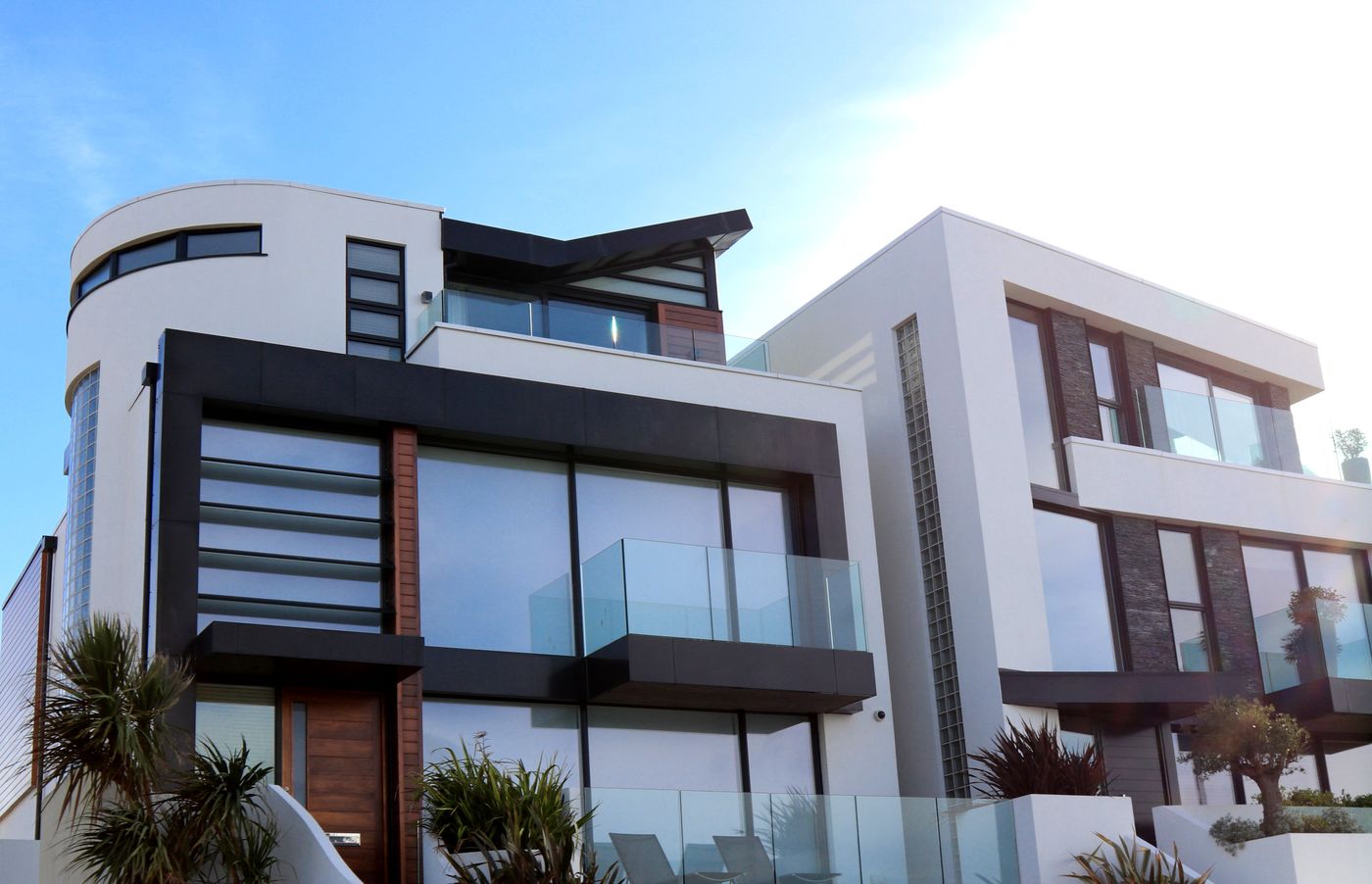
My calves registered the incline before my mind had finished deciding to walk.
I left my flat in Bukit Ho Swee with no particular destination except upward. The Chin Swee slope is not a secret — schoolchildren take it daily, aunties power-walk it in pairs, delivery riders treat it like a test of engine and nerve — but in the mid-afternoon it loosens. The heat has already done its worst. The road holds a pale shimmer, and the blocks above me look like stacked ledgers, each floor another line in a long account of who lives where and for how long.
I keep my hand near the railing where the paint has worn to grey metal. Touch helps on slopes. My palm reads the temperature — sun-side hot, shade-side almost cool — and my feet adjust without instruction. The pavement cracks here in patterns I have memorised: a fork near the bus stop, a long seam outside the provision shop, a patch where someone repaired a hole with darker asphalt that still feels raised under my sole. These are the details that tell me I am on my own street and not somewhere borrowed.
Halfway up, I pause where the flats open into a view of lower Havelock. From this height the coffeeshops look like coloured rectangles. Cars move in slow punctuation. A man on a balcony hangs laundry with the mechanical patience of someone who has done it ten thousand times. I watch his arms rise and fall and think about how neighbourhoods are held together by such repetitions — not grand gestures, just cloth on a line, water on a plant, a hand on a railing.
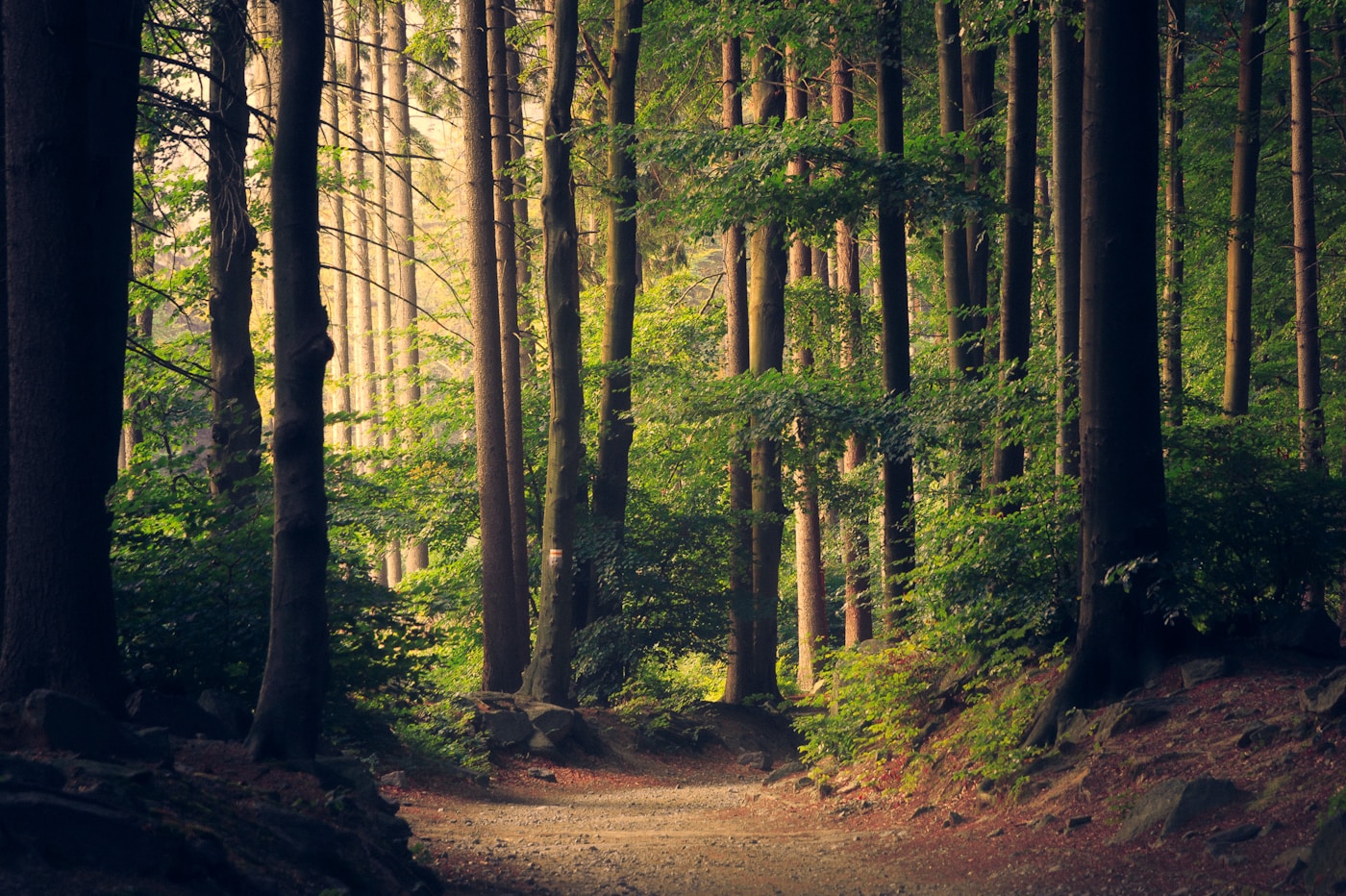
The turn toward Pearl's Hill City Park comes suddenly if you are not watching for it. One moment you are in the open glare of Chin Swee; the next, trees fold around the path and the air changes weight. I felt it on my skin first — less sun, more leaf-shadow, a dampness that lives in old bark and mulched ground. My shirt, still warm from the climb, cooled in patches where the breeze found gaps in the canopy.
Sight slows here too. Down on the slope my eyes had been busy — traffic, signage, the flicker of screens in shop windows. In the park they settle. A pond holds its surface like a held breath. Bamboo clicks softly when the wind shifts. An elderly man on a bench reads a paperback with the spine cracked flat; he does not look up when I pass. I am glad for that. Not every walk needs acknowledgement.
I walked the loop once, then sat on a stone ledge where the roots of a tree have pushed the paving into gentle ridges. Through the leaves I could still see a slice of city — a tower, a crane, the distant suggestion of the expressway — but muffled, as if someone had closed a door halfway. My fingertips traced the stone, gritty and warm on top, cooler underneath where the shade pooled. Touch again, confirming what my eyes reported: I had crossed a threshold without a gate.
Going down is faster and louder. Gravity and traffic return together. By the time I reached Bukit Ho Swee again, the afternoon had moved on — school bags, market bags, the first smells of dinner prep drifting from kitchen windows. My legs knew the slope in reverse now, muscle memory on the descent. I turned the key and the flat received me with its familiar click and hum. The park stayed on the hill behind me, unchanged, still holding its quiet for whoever climbs next.