Journal · Bukit Ho Swee · Mei
The Corner Table Before the Crowd
15 July 2026 · about 8.15am · Havelock Road coffeeshop
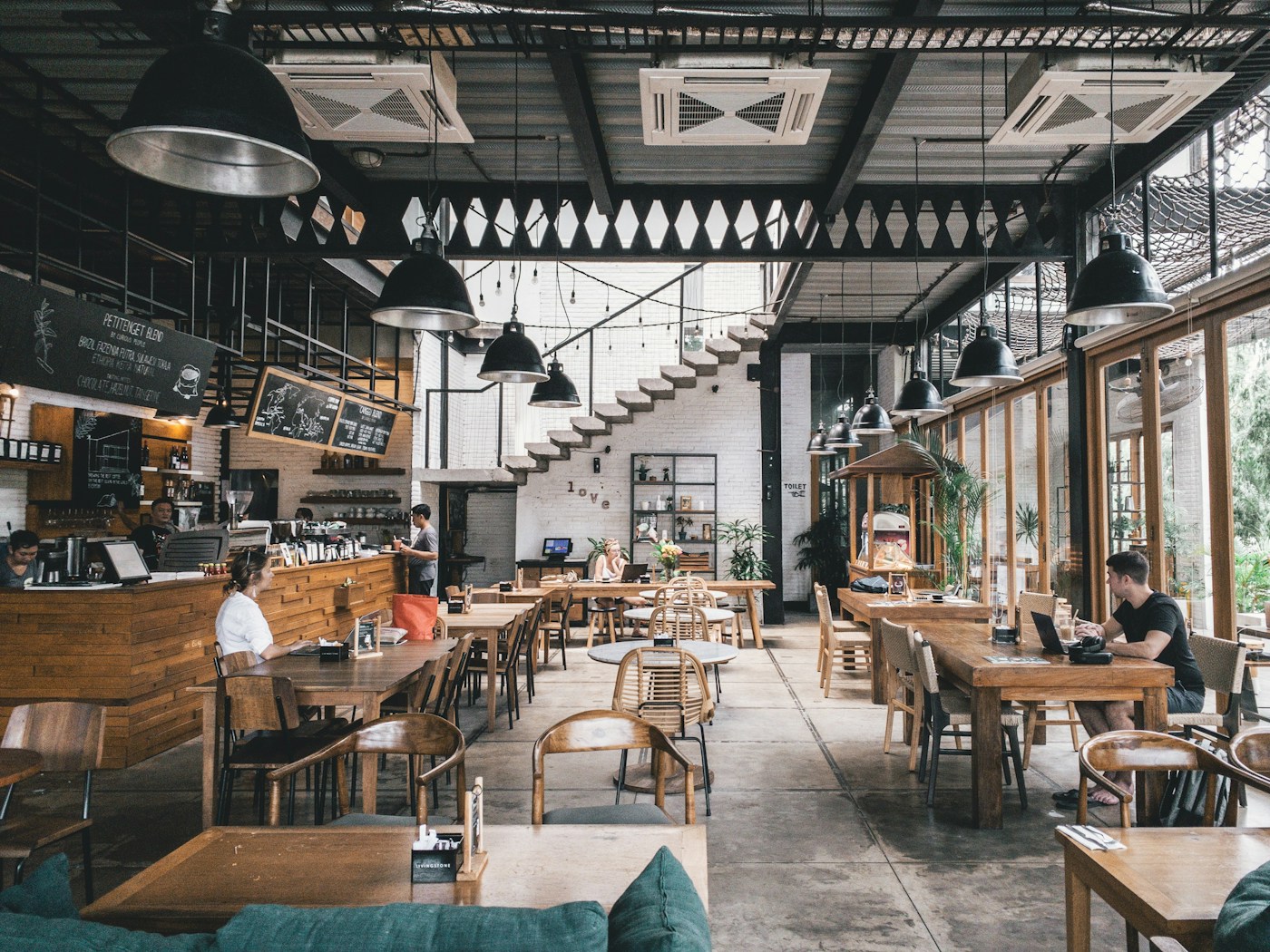
The uncle behind the counter already knew my order before I reached the third tile from the entrance.
I have been coming to this coffeeshop on Havelock Road for long enough that my corner table feels less like furniture and more like a fixed point on a map — the spot I return to when the rest of the morning still wobbles. It sits where the wall meets the window, half in shade, half catching the weak gold that slips between the shophouse fronts. The plastic chair has a slight lean I have stopped noticing. My elbow knows the chip on the table edge. These are small things, but they hold me in place the way a doorframe holds a door: not glamorous, just necessary.
Morning here belongs to a different clock. The kopi man pulls socks over his arms before he touches the kettle. The toast rack clicks. Someone rinses cups in the back with a rhythm I could probably set a watch to if I tried. I sit with my hands around the saucer and let the smell do its work first — kopi-o thick enough to leave a ring on the cup, the faint char of bread under the grill, the detergent on the floor that never quite masks the grease from yesterday's lunch. Smell arrives before taste, and taste before thought. That order suits me.
When the cup reaches my lips, the bitterness is honest. Not harsh, not sweetened into something else. I hold it on my tongue a second longer than I need to, the way you might test a step before putting your full weight down. The heat travels through the porcelain into my palms. My flat is only a ten-minute walk uphill, past the clinic block and the row of shops where the awnings have faded to the same brown, but this table is where I finish waking up. Home is where I sleep. This corner is where I arrive.

By nine, the lunch crowd will begin its slow occupation. The aunties with their marketing trolleys. The men in office shirts rolling up sleeves. The secondary school boy who always orders milo and never finishes it. They are not loud people, but they fill the room with intent — plates chosen, seats claimed, newspapers folded to the sports section. I do not resent them. I simply leave before they need my table, the way you step off a path when someone carrying something heavy approaches.
There is a ceiling fan above me that wobbles on its third rotation. I watch it sometimes instead of my phone. The blades throw a repeating shadow across the menu board, where the prices have been written over so many times the numbers look like sediment layers. An old calendar from a paint company hangs crooked near the toilet door. Nobody takes it down. I think places like this survive on that kind of tolerance — the willingness to let things stay slightly wrong because replacing them would cost more than patience.
From my seat I can see the foot of the slope toward Bukit Ho Swee. Delivery riders pause at the junction. A cat crosses without checking traffic, which is either confidence or habit. The uncle wipes my table with a cloth that has seen better decades and asks if I want another cup without looking at me. I say no. One is enough to anchor the hour. Two would make me late for work, and lateness would unspool the rest of the day in a way I prefer to avoid.
I pay at the counter and the coins sound different in the tin here than they do at the supermarket — lighter, more personal, like change that remembers hands. Walking back up Havelock Road, I carry the taste at the back of my throat, kopi and toast and something faintly metallic from the old cups. The coffeeshop noise thins behind me. By the time I reach my block, the morning has sorted itself into the ordinary sequence: lift, corridor, key, fan. But the corner table stays where I left it, empty and waiting, holding the shape of my elbows until tomorrow.